
How Much Does Amazon Relay Insurance Cost?

Updated: 14 hours ago
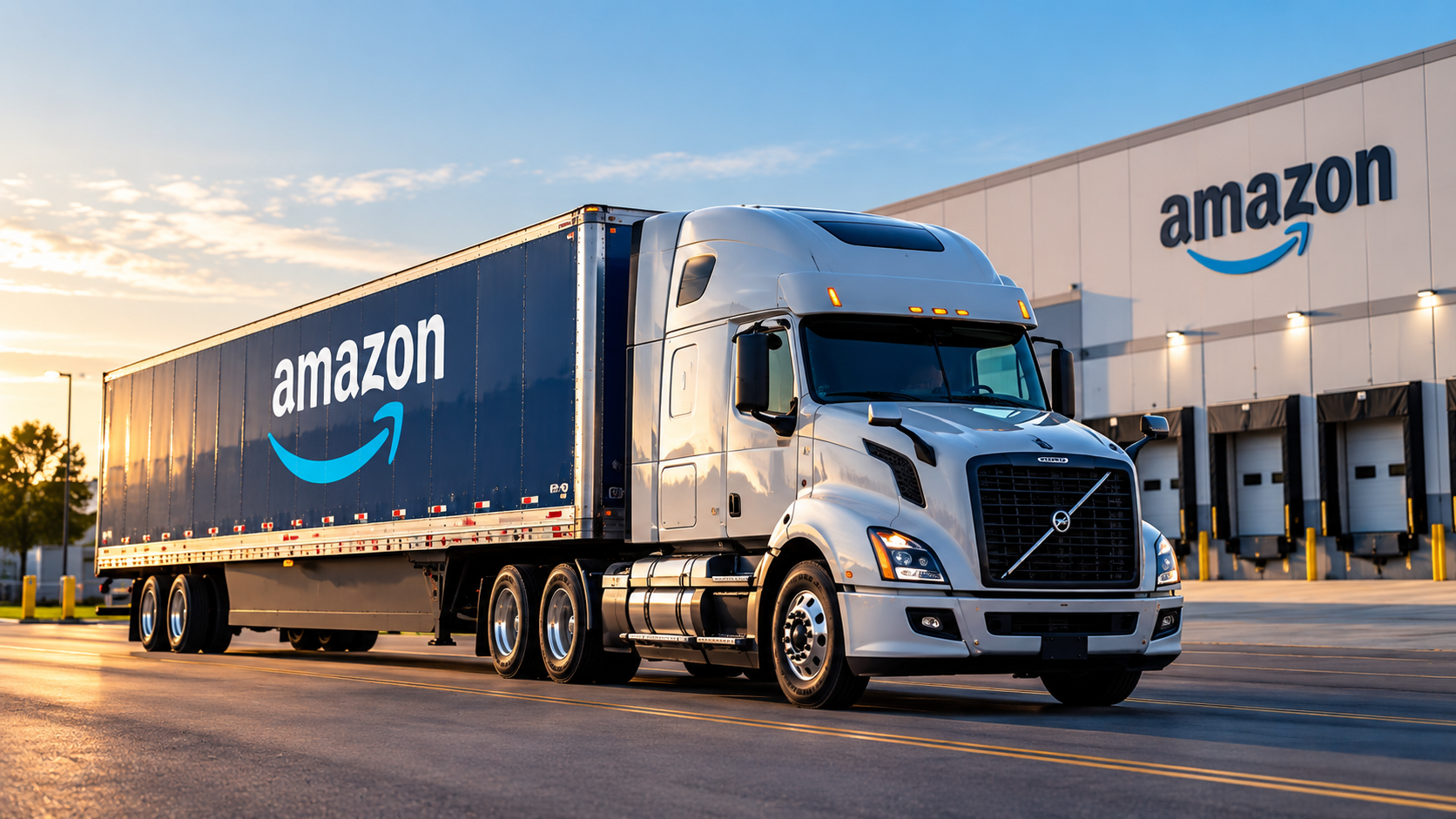
Amazon Relay insurance does not have one fixed price. Amazon's February 2026 guidance says newer carriers typically pay about $12,000 to $18,000 annually for the required coverage, while experienced carriers with clean records often pay about $8,000 to $14,000. Fleet pricing varies.
Those are Amazon's published ranges—not a quote or guarantee. Your actual premium can be lower or higher depending on the operation and the insurance company underwriting it.
For the coverage itself, see my full list of Amazon Relay insurance requirements.
How Amazon's Ranges Compare With What I See
Amazon's numbers are a useful starting point, but they're not what most of my clients end up paying.
In my own records, the median one-truck trucking policy I placed in 2025 and 2026 was $21,700 across 117 policies. The middle half fell between $16,400 and $27,700. Here's the full breakdown in What 610 Trucking Insurance Policies Taught Me About What Truckers Actually Pay.
That's higher than Amazon's ranges for a few reasons:
Amazon's ranges cover only what Amazon requires. Many of my policies also include physical damage on the truck, which Amazon doesn't require.
My numbers include every kind of trucking operation, not only Amazon Relay carriers.
Where the truck is garaged matters a lot. In New Jersey, my largest state, premiums run well above the rest of my book.
So if your quote comes in above Amazon's range, it doesn't automatically mean something is wrong. It does mean I want to see what's driving it.
Why Your Amazon Relay Insurance Quote May Be Higher or Lower
Amazon sets the insurance minimums it wants. The insurance company prices your individual trucking risk. Two companies can meet the same Amazon requirements and still get very different quotes.
1. Newer Authority vs. Established Operation
A newer company has less operating and insurance history for an underwriter to review. An established company may be able to show prior policies, loss runs and consistent operations. That does not mean every established company is cheaper—the whole account matters.
If you're still building your authority, see New Authority Truck Insurance.
2. Driver Experience and Driving Record
The driver can move the premium significantly. Insurance companies may review CDL experience, accidents, violations and other permitted underwriting information. For fleets, adding drivers changes the account too.
3. Garaging State and Operating Radius
Where the truck is garaged and where it runs matter. Pricing can vary substantially by state and territory, and the radius changes the exposure an insurer is evaluating. I would rather quote the real operation than make the radius look smaller just to chase a price.
4. Truck Value and Physical Damage
Amazon's minimums are not the same thing as the total coverage you may buy. If you add Physical Damage Insurance, equipment value and deductible can affect the premium. A $30,000 truck and a $150,000 truck do not create the same physical-damage exposure.
5. Loss History
Prior claims can affect both price and market availability. For established accounts, I may ask for several years of loss runs so the insurance company can evaluate the type, frequency and severity of prior losses.
6. One Truck vs. a Growing Fleet
Adding trucks and drivers changes more than the total premium. Underwriters may also want to understand how quickly the company has grown and whether safety and management practices have kept up.
My article on How Fleet Growth Affects Trucking Insurance Underwriting goes deeper into that issue.
7. Annual Premium vs. Down Payment
Separate the annual premium from the amount due to start the policy. A lower down payment does not necessarily mean the insurance costs less. Premium financing can spread payments out, but financing charges and fees affect total cost.
8. A Cheaper Quote May Not Be the Same Quote
If one quote is dramatically cheaper, I want to know why. Sometimes an insurer prices the risk better. Other times the proposals use different limits, equipment values, deductibles, drivers, radius, or coverage.
Once you bind, make sure Amazon can see the new policy. Here's how Amazon Relay verifies insurance in RMIS.
What Do I Need for an Accurate Amazon Relay Insurance Quote?
DOT and MC information
Truck and trailer VINs and values
Driver information and commercial driving experience
Garaging address
States and operating radius
Current or prior insurance information
Loss runs when applicable
Requested effective date
Amazon Relay Insurance FAQs
Do Amazon's price ranges include physical damage on my truck?
No. Amazon's ranges are for the coverage Amazon requires, and physical damage on your own truck isn't on that list. If your truck is financed or you want it covered, that's added to the premium.
Can I get Amazon Relay insurance with a new authority?
Yes. Amazon's own guidance puts newer carriers at about $12,000 to $18,000 for the required coverage. The bigger issue is timing, because your insurance filing has to be in place before your authority goes active. Here's when to bind truck insurance before your MC authority activates.
Is Amazon Relay insurance a special kind of policy?
No. It's a regular commercial trucking program with limits that meet Amazon's minimums. For semi operations, Amazon also asks for trailer interchange coverage on its trailers. Here's what to check in a trailer interchange agreement.
Do I need workers' comp for Amazon Relay?
Amazon lists workers' compensation and employers liability in its requirements. What you actually need depends on your state and whether you have employees, so I look at that when I quote the account.
How Can Alex Help?
If you're shopping Amazon Relay insurance, I can review the operation and compare the options available for your risk. I look at annual premium, payment structure, coverage and underwriting details—not just whichever number is lowest.
Related Resources
Premiums vary by company, state, driver, equipment, coverage and underwriting. Amazon's ranges are its published 2026 figures. My figures come from policies I placed, not industry averages. Neither is a quote or guarantee.


Comments